15+ Years in the Hunt
"The best bottles aren't found at auction houses. They're found at the back of a liquor store that hasn't turned its stock in 40 years."
We've been collecting vintage and antique spirits for over 15 years — long before "dusty hunting" became a mainstream hobby. We started the way most collectors do: stumbling across an old bottle with an unfamiliar label, paying a few dollars out of curiosity, and falling headfirst down one of the most obsessive rabbit holes in American food culture.
What began as casual curiosity became a serious discipline. We learned to read tax strips, decode distillery date codes, and identify the subtle differences between a $20 curiosity and a $2,000 collector's piece. We've sourced bottles from estate sales in Kentucky, independent liquor stores that opened in the 1960s and never fully rotated their stock, and small-town shops that had no idea what was sitting on their bottom shelf.
Over the years, we've built deep knowledge of what the secondary market actually pays — not what someone asks on a forum, but what bottles really trade for between serious collectors. That's the knowledge we bring to every valuation request we receive.
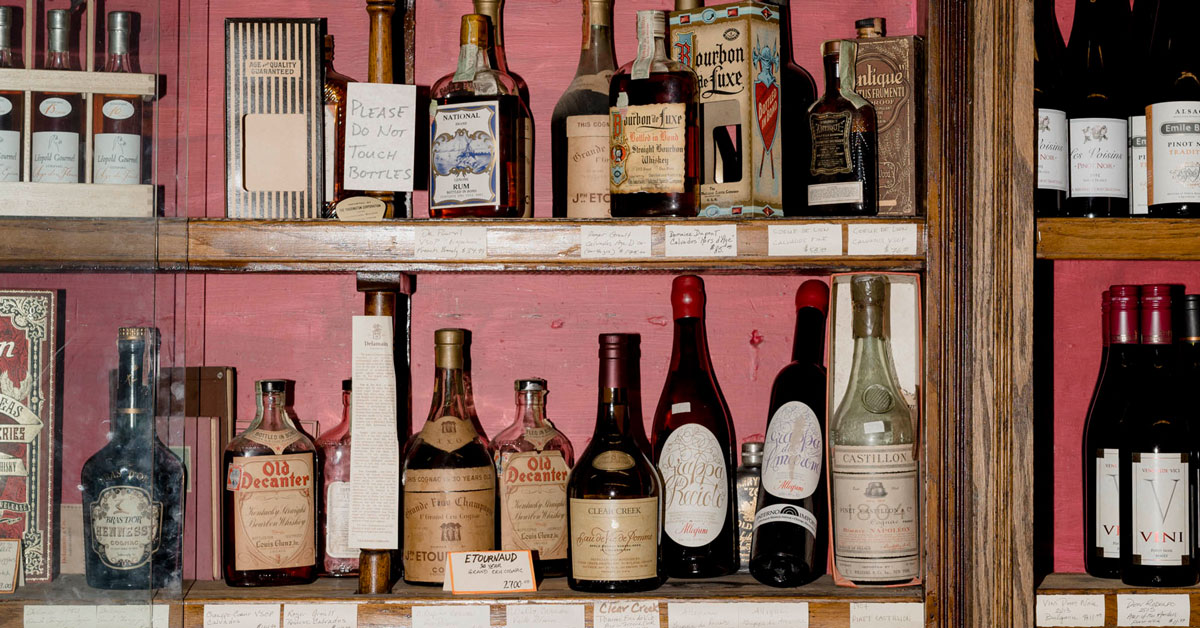
What We Bring to Every Estimate
-
📅
15+ Years Actively CollectingWe've been studying the market since before most of today's "rare bourbon" hype. We know price cycles, not just snapshots.
-
🏛️
Deep Distillery History KnowledgePre-consolidation distilleries, ownership histories, production changes, and what each era's output actually tastes like and trades for.
-
📊
Real Secondary Market DataWe track actual transaction prices — not asking prices — across collector communities, auction results, and private sales.
-
🇺🇸
USA-Based, USA-FocusedAmerican whiskey is our specialty — but we're familiar with collectible Scotch, rum, and other spirits that surface in US collections.
-
🤝
No Sales Pressure, EverWe're not brokers, dealers, or auctioneers. We give honest estimates because we love the hobby — full stop.